2 years of Facebook Live & how your brand should take advantage
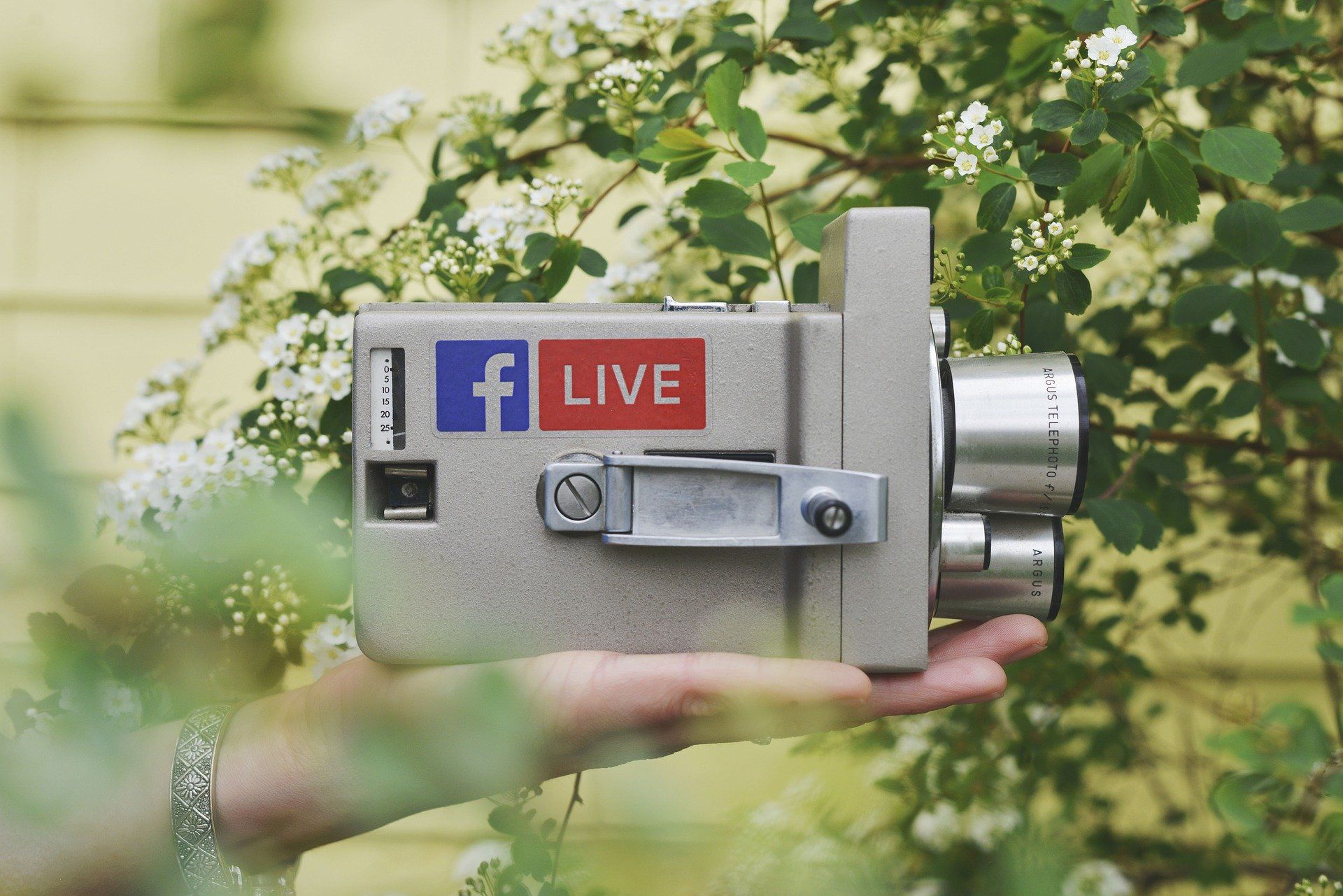
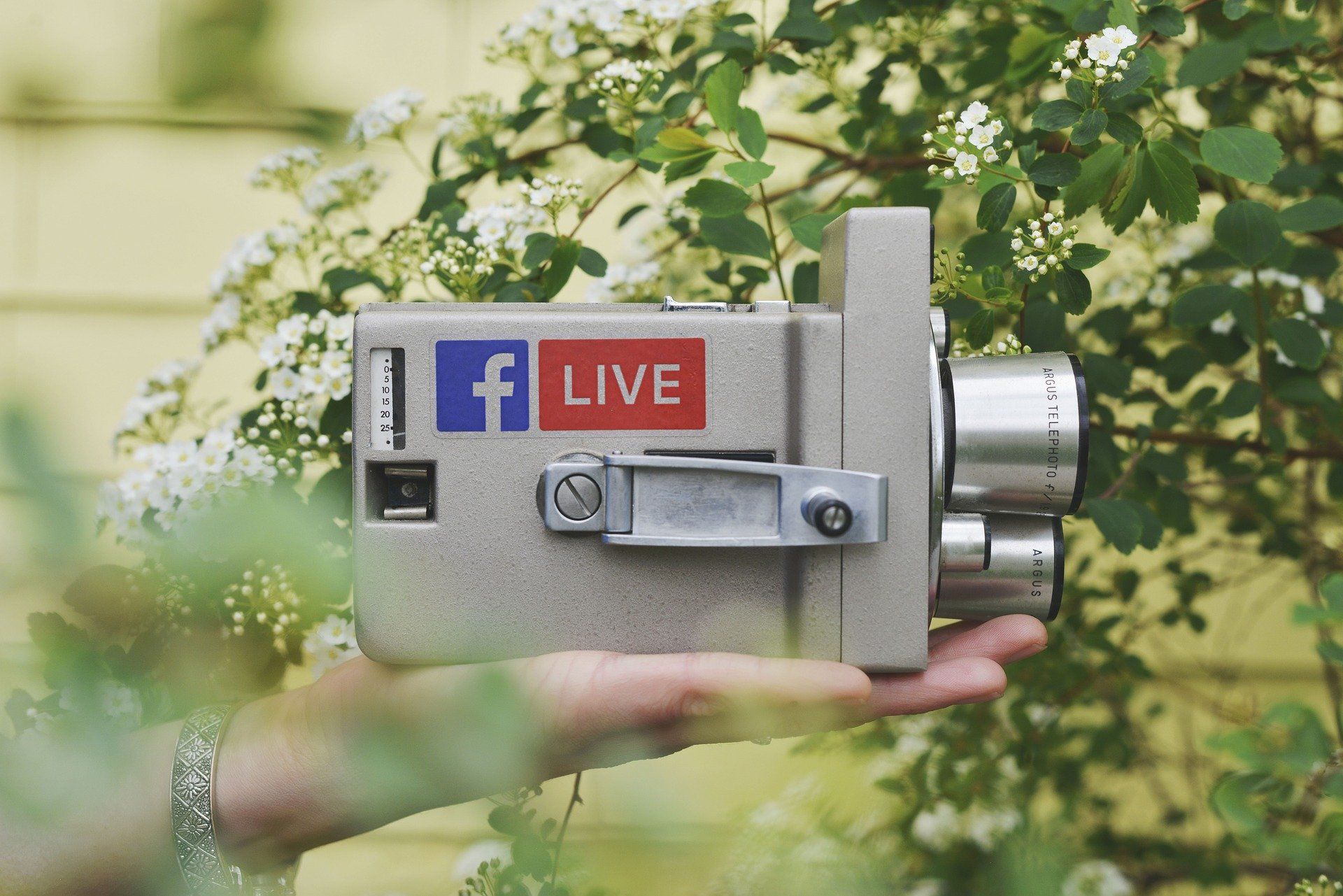
Facebook Live broadcasted videos have doubled year over year since the feature launched in 2016. April 6, 2018 marks two years since the access of Facebook’s live-streaming feature was given to users.
According to a recent article from Marketing Land , “In the last two years, there have been 3.5 billion total Facebook Live broadcasts and more than 150 billion reactions to Live video. According to Facebook, hundreds of millions of people have used the feature, and nearly 2 billion Facebook users have watched Live videos.”
How to use Facebook Live for your brand:
Broadcast Events
Facebook live videos are perfect for creating interest and attendance in events such as fairs, weekend sales events and on-going theater shows.
Product Demonstrations
Go for the sell and show off how to use your products and all the reasons it is superior in its class. Show viewers how the remote-controlled car works, how the lawn mower corners, how to best apply the makeup or how much your pet will love the ride-along bike cart. It’s your own “As Seen on Facebook Live” opportunity!
Host Training Seminars
Perfect if a common objective of yours is to “download our whitepaper” or “sign up for our seminar.” Give an introduction of a training seminar as a tease to attend an event or further explore your website.
Host Q&As or AMAs (Ask Me Anything)
This might be offering the chance for diners to ask the chef about how their favorite meal or martini is concocted, or the ability for home buyers and sellers to ask a real estate agent about the selling and buying process.
Showcase Your Culture
Do something fun, like a blind soda pop challenge, interview the employee of the month about the best part of working with the company, or take viewers along as your company volunteers in a local charity event.
Host Tours or Test Drives
Tour your store to entice customers to visit or take them with you on a test drive in new vehicle inventory. Viewers can ask questions in real-time about the vehicle specifications. You might even be tempted to host your own car karaoke or trivia and give away gas gift cards.
Promote New Product Releases or Unique Offers
A great way to create time-sensitive sale messaging. Be the first to give a run-down on all the Black Friday specials to come.
Benefits for a brand to use Facebook Live videos:
- Adds credibility and trustworthiness to your brand
- Personalizes your brand
- Platform to deliver relevant and useful information
- Create content that invites customers to engage with your brand
- Allows the ability to partake in engagement with your audience (2-way communication so you can answer questions or address concerns)
- Earn up to six times the interaction of regular videos (according to Facebook stats)
And, although Facebook’s algorithm is constantly changing, Facebook live videos are favored to appear more frequently and timely in users’ feeds.
Something to keep in mind about Facebook Live videos: They are live. So anything that is said or that happens cannot be edited out. If you anticipate any amount of risk that could be detrimental to your brand or reason for publishing a Live video, it might be best to pre-record. While there’s nothing like creating immediacy and authenticity from raw live video, pre-produced video provides the best in quality and professionalism for a brand. Pre-produced video gives control over audio quality, music incorporation, meaningful and well executed message delivery and the ability to give more information in a timely manner to viewers with graphic overlays or cuts to different physical locations.
Live videos on Facebook has become part of the experience and it is best to be active and familiar with the platform now. Only time will tell if Facebook decides to implement pre-roll or mid-roll video ads into this native content!
https://marketingland.com/facebooks-pre-roll-ad-test-will-run-watch-not-news-feed-229520

If you've been orbiting the digital marketing world for long, you'll know all about Google's plans to abandon the third-party cookie by 2022. The rules for cookies have already started to change thanks to the California Consumer Privacy Act (CCPA). Visit any website, and you'll get a "do you accept this cookie" pop-up. The fight for privacy and owning your data on the internet is just beginning. But what does it mean for marketers?
First, this only affects third-party cookies. Websites that track abandoned shopping carts or where you have chosen to log in will still be active and working. ( x) Those effective ads that follow you around to remind you to come back and buy? They are here to stay!
Second, even though we're losing access to visitors’ individual data, Google already has a plan in place to target ads effectively. Google created the Federated Learning of Cohorts (FLoC)for this very purpose. The goal of the FLoC is to "provide an effective replacement signal for third-party cookies." ( x) Any Google device or product you use will still file away your internet habits for advertising purposes; it will just be less precise. The idea is to shift people from individuals into broader categories. Those categories are what marketers will be targeting moving forward. If you're looking up how to replace a car battery on YouTube, you'll most likely be shifted into the "repairs vehicles" category and served ads accordingly. If we've learned anything from Facebook's targeting practices, it's that they can get very granular with those categories.
The main takeaway from the loss of the cookie is that marketers everywhere will have to be more strategic about their targeting plans. Utilizing advertising avenues that never relied on cookies is a great place to start. Paid search, emails, and social media are just a few areas of focus that generate clicks and customers while not relying on cookies. Leveraging traditional media alongside digital will also be vital to help grow your audience and brand awareness. As always, you can reach out to our digital marketing team of experts to help you navigate the change.
The cookie might be dead, but personalized digital marketing is still alive and well.
Although 2020 saw the rise in popularity of Tik Tok, there is another platform that marketers should focus on, especially if they are looking to hit a younger demographic. Snapchat remains one of the most popular social media apps for people under the age of 25. Snapchat was the originator of Stories, before Facebook and Instagram picked them up, and pioneered the idea of temporary interactions in the social media world. Before Snapchat, social media platforms were focused on permanence and timelines, and Snapchat decided it was time to freshen things up.
Snapchat statistics
- About 249 million people use Snapchat every day*
- Snapchat reaches 75% of millennials and Gen Z*
- Snapchat estimates the average daily user accesses the Snapchat camera more than 20 times per day**
Building Snapchat ads
If you’ve ever done any Facebook/Instagram advertising, the options are fairly similar. You first choose your campaign goal: brand awareness, web traffic, video views, lead generation, conversions and more. Next you set your budget. Snapchat offers affordable advertising with a $5 per day minimum budget. After you set your location, you can select your demographic targeting. One perk of Snapchat’s demographic options is that you can select an age range from 13-50+.
Also similar to Facebook, Snapchat has a large variety of audience targeting to choose from. But unlike Facebook, Snapchat is very transparent where the data is coming from. Data sources include Comscore, Placed, Experian, Datalogix and more, and are listed right next to the audience selection. Snapchat’s audience include various lifestyles, specific film/tv interests, specific food/beverage consumers, sports preferences, shopping habits, TV network and daypart viewers, and so much more! The opportunities for targeting are endless, and any brand can easily find audiences that fit their target market.
Ad Formats
Snapchat offers many ad formats, but the content that works best on Snapchat is video-driven storytelling. You can easily upload images that will be converted into a video if you do not have a video to use. You can also create filters to represent your brand in a fun way. Finally, a somewhat new offering are collection ads, which allow advertisers to showcase multiple products with thumbnail-sized images at the bottom of the ad.
If your company isn’t utilizing Snapchat, it may be time to give it a try. If you are looking for help creating and managing Snapchat or any other social campaigns, our in-house team of experts is happy to help.
* https://forbusiness.snapchat.com/
** https://www.oberlo.com/blog/snapchat-statistics