5 reasons why you should be event targeting
What is event targeting?

It is a precise time-based geo-targeting strategy that allows advertisers to target an audience based on a geo-fence. Simply put: “tag” users in a specific location as you would tag users who visit your website, and deliver digital banner ads to their mobile devices as they browse the web and apps.
Event advertising isn’t new. Some traditional advertisings examples are:
- Vinyl banners at sporting venues or concerts
- Digital reader board ads
- Booth space at exhibits, games and concerts
- Flyers and handouts
Advertisers can reach an audience that exhibits huge intent for related products or services that are planning and ready to buy. Very little impressions are wasted on a non-relevant audience by utilizing targeting methods based on events people have attended.
Here are 5 ways event targeting can be a benefit to your marketing strategy:
Leverage premium real estate.
Access the ad space that is in their hands at the event! People constantly access their phones at events. Taking selfies, researching products, checking next event times and weather forecast (for instance at sporting events) are just a few reasons people hop on their phones while attending an event or show. An ad in their hand is just as likely to be seen as a digital billboard on the event screen, show booth, flyer or hanging vinyl ad if not more likely to be seen and absorbed.
More affordable to reach your coveted audience.
Booth space is expensive. Sponsored signage involves contracts and ridged design space. Event targeting with a digital campaign allows you to pay for measured impressions and allows you to design multiple ad sizes and messaging. A smaller local advertiser can reach a premium audience without breaking the bank over a weekend event.
Get around exclusivity.
Just because your competitor is there, doesn’t mean you missed out. You don’t have to be an exclusive sponsor and commit to something months in advance. Event targeting campaigns can be developed quickly and allow businesses to compete and win customers.
Be in two places at once.
What if two shows are going on at the same time in different locations? With event targeting, you can be in both. If they are too expensive to have a physical presence in and staff, or if one is too small to invest in, business can still reach people who attend the show.
Get more time with your audience
The ability to target the audience after the event is really the icing on the cake. Expand your impact by extending your view time with the audience. Make an impression on their memories. Attendees gain awareness of products by visiting shows and are in a consideration phase. Event targeting can seal the deal for you by keeping you top of mind and sharing why they should choose you.
Still need ideas on when to utilize event targeting? Here are some events and venues to consider in your market:
- Conferences, conventions & tradeshows
- Sporting events, fitness competitions, school teams
- Concerts & tours
- Performing arts: opera, theatre, musicals
- Festivals: music, renaissance
- Fairs: state fairs, carnivals, Oktoberfest, craft fairs
- Community & cultural events
- Fundraisers & benefits
- Parades
- Venues: amusement parks, speedways, even hotels

If you've been orbiting the digital marketing world for long, you'll know all about Google's plans to abandon the third-party cookie by 2022. The rules for cookies have already started to change thanks to the California Consumer Privacy Act (CCPA). Visit any website, and you'll get a "do you accept this cookie" pop-up. The fight for privacy and owning your data on the internet is just beginning. But what does it mean for marketers?
First, this only affects third-party cookies. Websites that track abandoned shopping carts or where you have chosen to log in will still be active and working. ( x) Those effective ads that follow you around to remind you to come back and buy? They are here to stay!
Second, even though we're losing access to visitors’ individual data, Google already has a plan in place to target ads effectively. Google created the Federated Learning of Cohorts (FLoC)for this very purpose. The goal of the FLoC is to "provide an effective replacement signal for third-party cookies." ( x) Any Google device or product you use will still file away your internet habits for advertising purposes; it will just be less precise. The idea is to shift people from individuals into broader categories. Those categories are what marketers will be targeting moving forward. If you're looking up how to replace a car battery on YouTube, you'll most likely be shifted into the "repairs vehicles" category and served ads accordingly. If we've learned anything from Facebook's targeting practices, it's that they can get very granular with those categories.
The main takeaway from the loss of the cookie is that marketers everywhere will have to be more strategic about their targeting plans. Utilizing advertising avenues that never relied on cookies is a great place to start. Paid search, emails, and social media are just a few areas of focus that generate clicks and customers while not relying on cookies. Leveraging traditional media alongside digital will also be vital to help grow your audience and brand awareness. As always, you can reach out to our digital marketing team of experts to help you navigate the change.
The cookie might be dead, but personalized digital marketing is still alive and well.
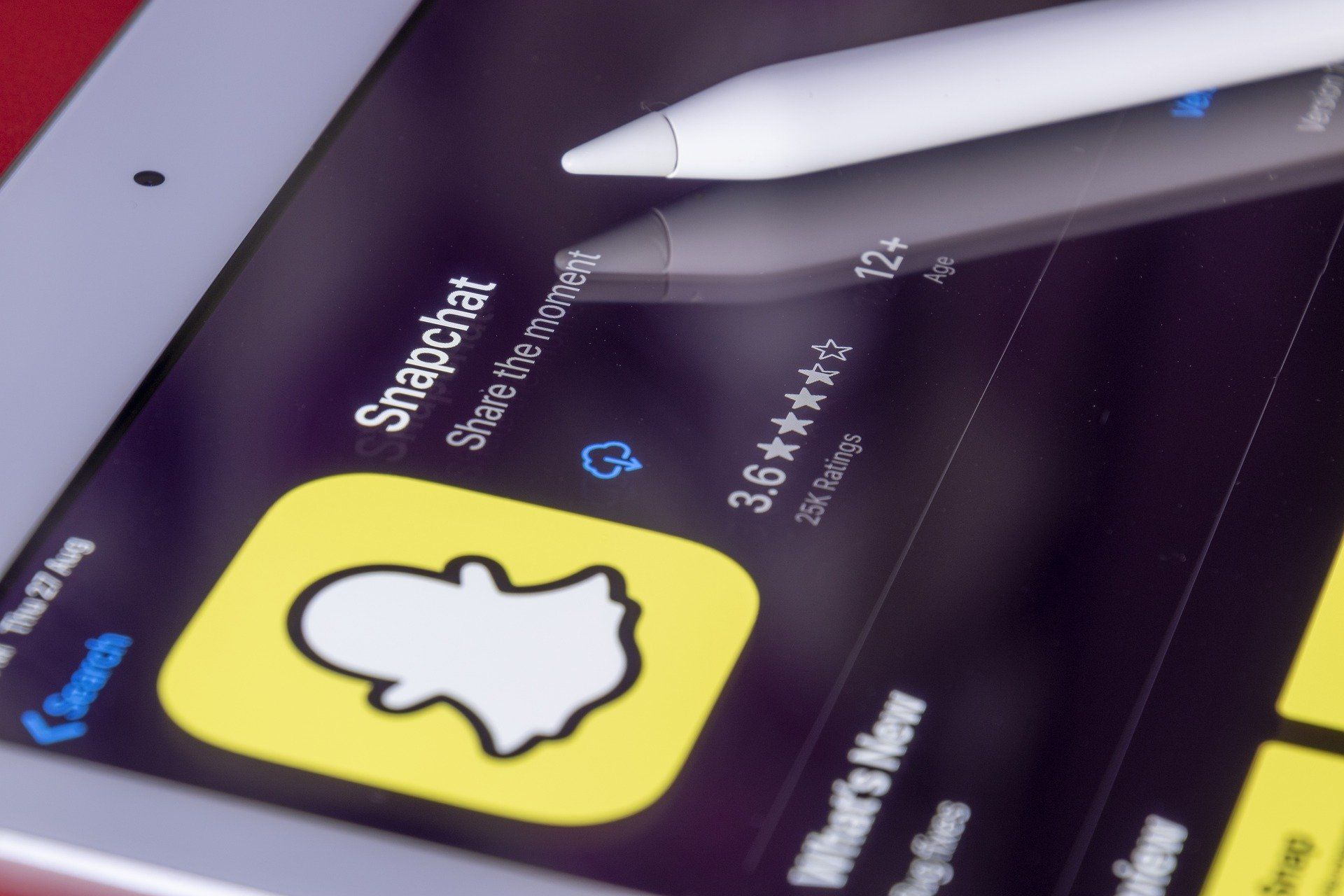
Although 2020 saw the rise in popularity of Tik Tok, there is another platform that marketers should focus on, especially if they are looking to hit a younger demographic. Snapchat remains one of the most popular social media apps for people under the age of 25. Snapchat was the originator of Stories, before Facebook and Instagram picked them up, and pioneered the idea of temporary interactions in the social media world. Before Snapchat, social media platforms were focused on permanence and timelines, and Snapchat decided it was time to freshen things up.
Snapchat statistics
- About 249 million people use Snapchat every day*
- Snapchat reaches 75% of millennials and Gen Z*
- Snapchat estimates the average daily user accesses the Snapchat camera more than 20 times per day**
Building Snapchat ads
If you’ve ever done any Facebook/Instagram advertising, the options are fairly similar. You first choose your campaign goal: brand awareness, web traffic, video views, lead generation, conversions and more. Next you set your budget. Snapchat offers affordable advertising with a $5 per day minimum budget. After you set your location, you can select your demographic targeting. One perk of Snapchat’s demographic options is that you can select an age range from 13-50+.
Also similar to Facebook, Snapchat has a large variety of audience targeting to choose from. But unlike Facebook, Snapchat is very transparent where the data is coming from. Data sources include Comscore, Placed, Experian, Datalogix and more, and are listed right next to the audience selection. Snapchat’s audience include various lifestyles, specific film/tv interests, specific food/beverage consumers, sports preferences, shopping habits, TV network and daypart viewers, and so much more! The opportunities for targeting are endless, and any brand can easily find audiences that fit their target market.
Ad Formats
Snapchat offers many ad formats, but the content that works best on Snapchat is video-driven storytelling. You can easily upload images that will be converted into a video if you do not have a video to use. You can also create filters to represent your brand in a fun way. Finally, a somewhat new offering are collection ads, which allow advertisers to showcase multiple products with thumbnail-sized images at the bottom of the ad.
If your company isn’t utilizing Snapchat, it may be time to give it a try. If you are looking for help creating and managing Snapchat or any other social campaigns, our in-house team of experts is happy to help.
* https://forbusiness.snapchat.com/
** https://www.oberlo.com/blog/snapchat-statistics