7 things to keep in mind to build a great banner ad
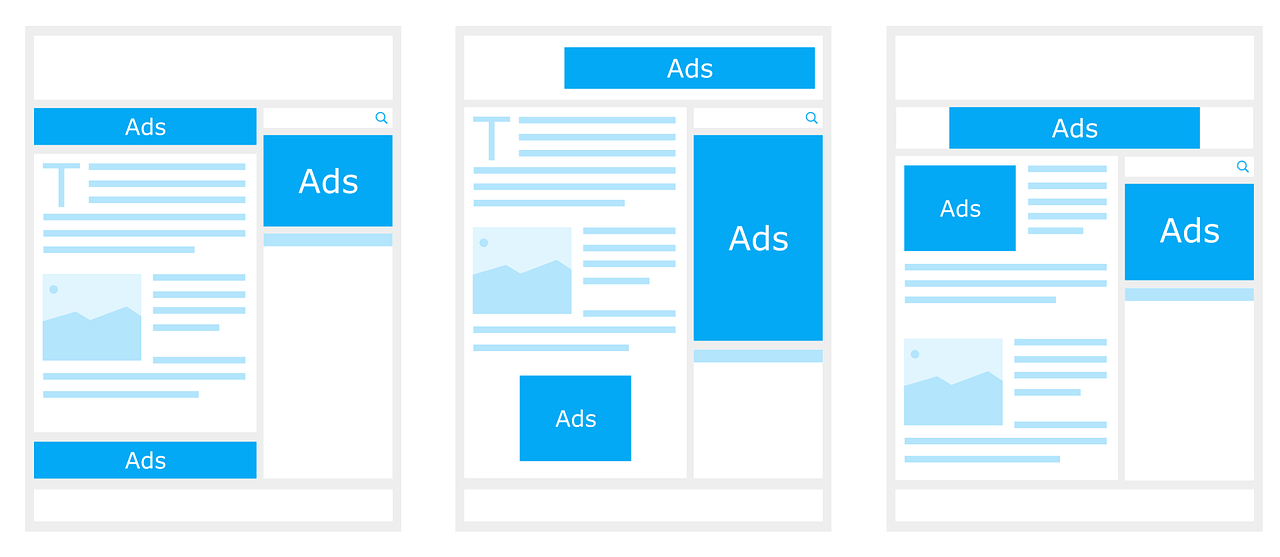
Are you looking to boost your online traffic? A great way to do this is banner advertising and looking at the message your banner is telling. With the daily static noise around us you may find yourself asking: what do I need to do to create a web banner ad that people will want to click on? There are some basic design guidelines to keep in mind when creating effective banner ads. But first, it’s good to have a base understanding of what banner design is.
Web banner design is among the top 10 forms of marketing used in today’s online world and can come in all shapes and sizes. With the ability to target individuals based on demographics, interests, geographic locations, etc., you can deliver display ads to websites your client visits. Web banner design is all about creating an eye-catching message that gathers the most clicks. It’s all about driving traffic!
Using banner ads can be an affordable approach, as well as a measurable and effective way to market an advertisers brand or product! They are a visual way of introducing a brand to an individual and pulling them in with an intriguing message or offer! So, what do I need to do to create a web banner ad that people will want to click on? It has been found that if you include these seven key things, you will have the tools needed for an effective display campaign.
1.) Start by using the most effective standard
banner sizes. According to Google AdSense, the most successful standard banners
are:
a.728x90px - Leaderboard
b.300x600px - Half Page
c.300x250px - Medium Rectangle
d.336x280px - Large Rectangle
Build out multiple banner sizes, to reach
users on multiple devices and sites.
2.) Keep your message simple. Have you heard of the
KISS principle? The K.I.S.S principle is an acronym for “Keep it simple,
Silly.” Fun fact, this is a design principle that was noted by the U.S. Navy in
the 1960s, stating that most systems work best if they are kept simple rather
than made complicated. So, when in doubt leave it out!
3.)Along with keeping it simple, remember to maintain hierarchy. There are three basic elements to include in your banner ad, first of which is your company logo. Second, you need the value - this is the message you want users to receive. If you have an attractive offer, include it! And last but not least, include a call to action. This is typically in the form of text or a button that invites a user to click on the ad. Examples include “Learn More” “Get Started” or “Order Now."
4.)Ensure your text is readable. When building out
banner ads the best practice is to keep text to around 10-12 words max. You
only have seconds to grab a user’s attention. The more they have to read the
more likely it’s not going to grab their attention. When it comes to the font,
leave out thinly weighted cursive/script fonts and keep your text size no
smaller than 10 pt font (unless there’s a disclaimer or copyright notice).
5.)Be consistent with your branding. Keep in mind the
banner ads you are building are linking through to your landing page. Make sure
each carry out the same branding to ensure users they are linking through to
the right website.
6.)Did you know color speaks its own language that
words can’t replicate? Color influences our daily choices and emotions. Knowing
the audience you want to target and picking the right color to target that
audience can be effective. Here are a list of a few emotions and moods that colors
give off.
a.Red – Ambition, energy, confidence, bold,
passionate
b.Pink – Sensitive, intuitive, love, care, respect
c.Orange – Freedom, social, warmth, motivation,
impulse, friendly
d.Yellow – Optimism, energetic, fun, logical, attentive
e.Green – Growth, nature, equilibrium, rebirth,
wealth, positivity, stable
f.Navy – Responsible, integrity, trust,
peace, order
g.Blue – Ambition, perspective, aware, open
h.Purple – Fantasy, creativity, distinguished,
modesty, deep, luxury
i.Black – Strength, power, professional, accuracy
j.Grey – Balance, neutral, timeless, practical,
solid
k.Brown – Honest, simplicity, warmth
l.White – Simplicity, purity, neutral, clean,
minimalism
Colors and fonts combined together can be a valuable tool to influence users. Choose colors that complement each other and don’t conflict. According to a survey done by Small Business Trends, 93% of buyers said they focus on visual appearance, and close to 85% claim color is the primary reason they make a purchase!
7.)Optimize size and format. Keeping your file size as small as possible is ideal. You want your ad to load fast on a page before viewers scroll down and miss your message. You also want to build them out in the most common ad formats to ensure your ad can run anywhere: JPEG, GIF, PNG or HTML5.
Bonus tip: During these challenging times of uncertainty it can be easy to pull your advertising campaigns. We’ve never been in this situation before so there are many unknowns. If you can keep your advertising running, do so but switch your message to a heart beat campaign. This can be a simple campaign that is heartwarming, encouraging and gives a sense of comfort by letting users know you’re open and that you are here for them now and will be once we return to a sense of normal. If you’re not open, this can be a great opportunity to keep your brand front and center.

If you've been orbiting the digital marketing world for long, you'll know all about Google's plans to abandon the third-party cookie by 2022. The rules for cookies have already started to change thanks to the California Consumer Privacy Act (CCPA). Visit any website, and you'll get a "do you accept this cookie" pop-up. The fight for privacy and owning your data on the internet is just beginning. But what does it mean for marketers?
First, this only affects third-party cookies. Websites that track abandoned shopping carts or where you have chosen to log in will still be active and working. ( x) Those effective ads that follow you around to remind you to come back and buy? They are here to stay!
Second, even though we're losing access to visitors’ individual data, Google already has a plan in place to target ads effectively. Google created the Federated Learning of Cohorts (FLoC)for this very purpose. The goal of the FLoC is to "provide an effective replacement signal for third-party cookies." ( x) Any Google device or product you use will still file away your internet habits for advertising purposes; it will just be less precise. The idea is to shift people from individuals into broader categories. Those categories are what marketers will be targeting moving forward. If you're looking up how to replace a car battery on YouTube, you'll most likely be shifted into the "repairs vehicles" category and served ads accordingly. If we've learned anything from Facebook's targeting practices, it's that they can get very granular with those categories.
The main takeaway from the loss of the cookie is that marketers everywhere will have to be more strategic about their targeting plans. Utilizing advertising avenues that never relied on cookies is a great place to start. Paid search, emails, and social media are just a few areas of focus that generate clicks and customers while not relying on cookies. Leveraging traditional media alongside digital will also be vital to help grow your audience and brand awareness. As always, you can reach out to our digital marketing team of experts to help you navigate the change.
The cookie might be dead, but personalized digital marketing is still alive and well.

Although 2020 saw the rise in popularity of Tik Tok, there is another platform that marketers should focus on, especially if they are looking to hit a younger demographic. Snapchat remains one of the most popular social media apps for people under the age of 25. Snapchat was the originator of Stories, before Facebook and Instagram picked them up, and pioneered the idea of temporary interactions in the social media world. Before Snapchat, social media platforms were focused on permanence and timelines, and Snapchat decided it was time to freshen things up.
Snapchat statistics
- About 249 million people use Snapchat every day*
- Snapchat reaches 75% of millennials and Gen Z*
- Snapchat estimates the average daily user accesses the Snapchat camera more than 20 times per day**
Building Snapchat ads
If you’ve ever done any Facebook/Instagram advertising, the options are fairly similar. You first choose your campaign goal: brand awareness, web traffic, video views, lead generation, conversions and more. Next you set your budget. Snapchat offers affordable advertising with a $5 per day minimum budget. After you set your location, you can select your demographic targeting. One perk of Snapchat’s demographic options is that you can select an age range from 13-50+.
Also similar to Facebook, Snapchat has a large variety of audience targeting to choose from. But unlike Facebook, Snapchat is very transparent where the data is coming from. Data sources include Comscore, Placed, Experian, Datalogix and more, and are listed right next to the audience selection. Snapchat’s audience include various lifestyles, specific film/tv interests, specific food/beverage consumers, sports preferences, shopping habits, TV network and daypart viewers, and so much more! The opportunities for targeting are endless, and any brand can easily find audiences that fit their target market.
Ad Formats
Snapchat offers many ad formats, but the content that works best on Snapchat is video-driven storytelling. You can easily upload images that will be converted into a video if you do not have a video to use. You can also create filters to represent your brand in a fun way. Finally, a somewhat new offering are collection ads, which allow advertisers to showcase multiple products with thumbnail-sized images at the bottom of the ad.
If your company isn’t utilizing Snapchat, it may be time to give it a try. If you are looking for help creating and managing Snapchat or any other social campaigns, our in-house team of experts is happy to help.
* https://forbusiness.snapchat.com/
** https://www.oberlo.com/blog/snapchat-statistics