Bump up your marketing strategy with YouTube’s Bumper Ads
Did you know people are watching YouTube? Like a whole bunch of them. Almost 2 billion every month , watching 1 billion hours of video every day , in fact. If that surprises you, I’m curious how your router’s signal can penetrate that rock you’re living under. Also, how did you even get to this blog? I have so many questions.
Anyway, what we as non-rock-dwelling digital marketers know is that, when an inordinate amount of people are spending an inordinate amount of time on a platform, advertising opportunity abounds. And YouTube and Google have recently been touting the success of a particular YouTube ad format. No, I’m not talking about YouTube’s recent move to “Ad pods” that show two skippable pre-roll ads consecutively, the online response to which has been… tepid (I’d cite a source here, but most of the online commentary is predictably NSFW). I’m talking about YouTube’s :06 Bumper Ads.
YouTube Bumper Ads were first rolled out in 2016, but they seem to have become a point of emphasis over at YouTube HQ this year. For instance, they dedicated an entire segment of this year’s Google Marketing Live Keynote to Bumper Ads. And they’re rolling out a tool that will easily create a sequence of six-second clips from your existing longer form content called the Bumper Machine . According to Debbie Weinstein, Google’s Vice President of YouTube and Video Global Solutions, the Bumper Machine will scan a longer ad for “key elements”, like a voice-over or a tight focus on human beings or logos or products, and then wrap things up nicely with a “final call to action in the last two to three seconds of the video.”
So why all the hullabaloo about Bumper Ads? Well, for the best reason of all, of course: because they work! Compared against a 30-second TrueView ad, Ipsos found that a video ad sequence of three :06 Bumper Ads led to 107% higher ad recall and 134% higher purchase intent . And, in a study of 122 Bumper Ad campaigns, Google found that 70% drove a significant lift in brand awareness, with an average lift of 9%. Additionally, 9 out of 10 drove ad recall globally, with an average lift of over 30%.
As attention spans shorten and the online ad space becomes increasingly cluttered, cutting through the noise has never been more challenging. YouTube’s recent emphasis on Bumper Ads and the creation of the Bumper Machine goes to show one thing: they’re paying close attention to our industry’s trends and are responding accordingly. Are you?

If you've been orbiting the digital marketing world for long, you'll know all about Google's plans to abandon the third-party cookie by 2022. The rules for cookies have already started to change thanks to the California Consumer Privacy Act (CCPA). Visit any website, and you'll get a "do you accept this cookie" pop-up. The fight for privacy and owning your data on the internet is just beginning. But what does it mean for marketers?
First, this only affects third-party cookies. Websites that track abandoned shopping carts or where you have chosen to log in will still be active and working. ( x) Those effective ads that follow you around to remind you to come back and buy? They are here to stay!
Second, even though we're losing access to visitors’ individual data, Google already has a plan in place to target ads effectively. Google created the Federated Learning of Cohorts (FLoC)for this very purpose. The goal of the FLoC is to "provide an effective replacement signal for third-party cookies." ( x) Any Google device or product you use will still file away your internet habits for advertising purposes; it will just be less precise. The idea is to shift people from individuals into broader categories. Those categories are what marketers will be targeting moving forward. If you're looking up how to replace a car battery on YouTube, you'll most likely be shifted into the "repairs vehicles" category and served ads accordingly. If we've learned anything from Facebook's targeting practices, it's that they can get very granular with those categories.
The main takeaway from the loss of the cookie is that marketers everywhere will have to be more strategic about their targeting plans. Utilizing advertising avenues that never relied on cookies is a great place to start. Paid search, emails, and social media are just a few areas of focus that generate clicks and customers while not relying on cookies. Leveraging traditional media alongside digital will also be vital to help grow your audience and brand awareness. As always, you can reach out to our digital marketing team of experts to help you navigate the change.
The cookie might be dead, but personalized digital marketing is still alive and well.
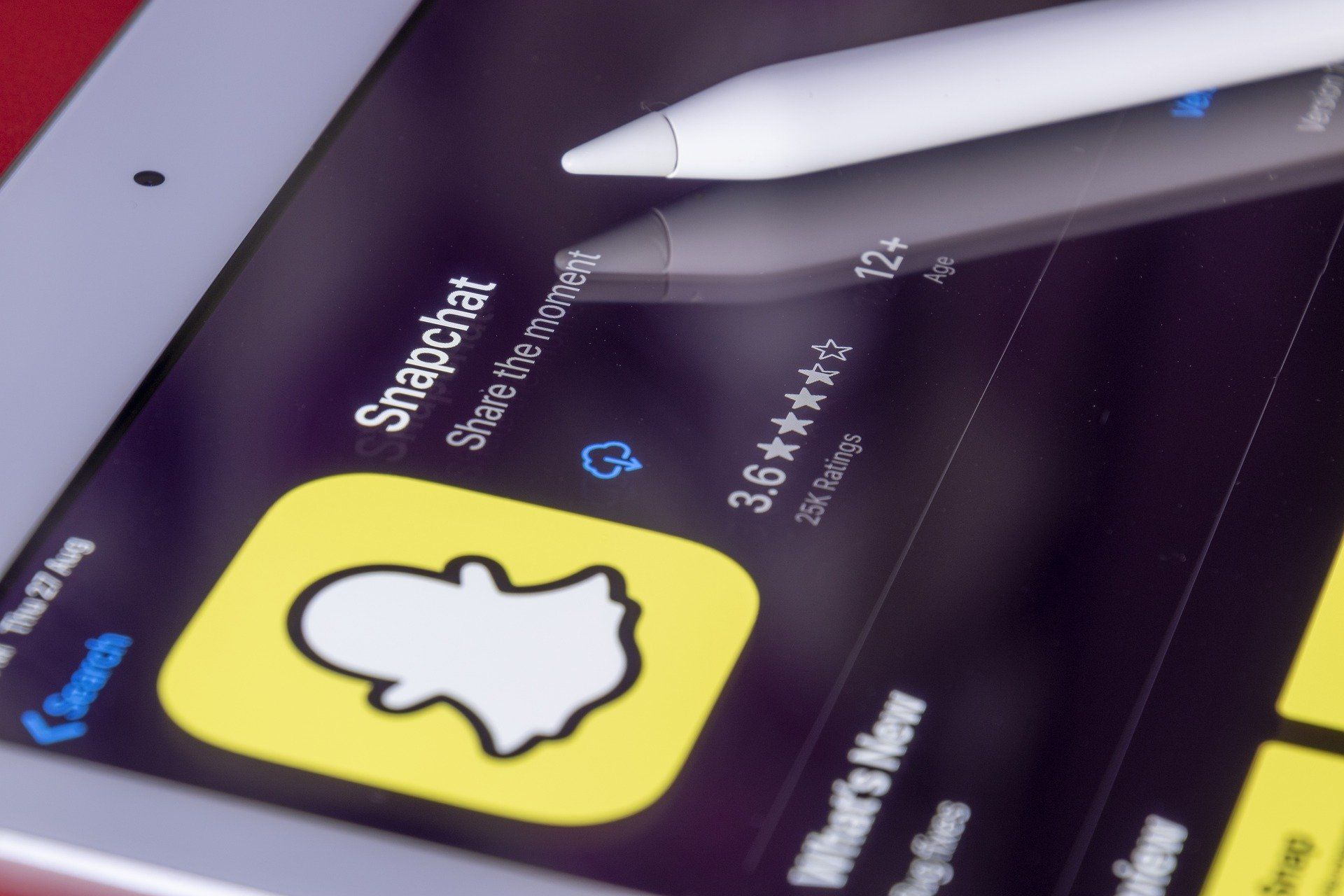
Although 2020 saw the rise in popularity of Tik Tok, there is another platform that marketers should focus on, especially if they are looking to hit a younger demographic. Snapchat remains one of the most popular social media apps for people under the age of 25. Snapchat was the originator of Stories, before Facebook and Instagram picked them up, and pioneered the idea of temporary interactions in the social media world. Before Snapchat, social media platforms were focused on permanence and timelines, and Snapchat decided it was time to freshen things up.
Snapchat statistics
- About 249 million people use Snapchat every day*
- Snapchat reaches 75% of millennials and Gen Z*
- Snapchat estimates the average daily user accesses the Snapchat camera more than 20 times per day**
Building Snapchat ads
If you’ve ever done any Facebook/Instagram advertising, the options are fairly similar. You first choose your campaign goal: brand awareness, web traffic, video views, lead generation, conversions and more. Next you set your budget. Snapchat offers affordable advertising with a $5 per day minimum budget. After you set your location, you can select your demographic targeting. One perk of Snapchat’s demographic options is that you can select an age range from 13-50+.
Also similar to Facebook, Snapchat has a large variety of audience targeting to choose from. But unlike Facebook, Snapchat is very transparent where the data is coming from. Data sources include Comscore, Placed, Experian, Datalogix and more, and are listed right next to the audience selection. Snapchat’s audience include various lifestyles, specific film/tv interests, specific food/beverage consumers, sports preferences, shopping habits, TV network and daypart viewers, and so much more! The opportunities for targeting are endless, and any brand can easily find audiences that fit their target market.
Ad Formats
Snapchat offers many ad formats, but the content that works best on Snapchat is video-driven storytelling. You can easily upload images that will be converted into a video if you do not have a video to use. You can also create filters to represent your brand in a fun way. Finally, a somewhat new offering are collection ads, which allow advertisers to showcase multiple products with thumbnail-sized images at the bottom of the ad.
If your company isn’t utilizing Snapchat, it may be time to give it a try. If you are looking for help creating and managing Snapchat or any other social campaigns, our in-house team of experts is happy to help.
* https://forbusiness.snapchat.com/
** https://www.oberlo.com/blog/snapchat-statistics