Yes, social media drives leads
If you haven’t started using Facebook and Instagram to drive leads, it’s time to hop on the bus and start believing.
We find that our smaller local advertisers depend on direct response or return on their advertising efforts. Some are not at a point to run larger reaching branding campaigns. Instead, they drive highly targeted advertising with strong and urgent promotional messaging.
With goals to drive leads and foot traffic into their stores, they tend to gravitate towards tactics like paid search. It’s the low hanging fruit of someone already actively searching for their products or service, and advertisers want to be found when their potential customers search on Google or Bing. However, with advanced tracking and ad development options provided by Facebook and Instagram, social media advertising is now at the forefront for direct response campaigns.
If you haven’t started using Facebook and Instagram to drive leads, it’s time to hop on the bus and start believing. When building an ad campaign through Facebook, advertisers are asked about their specific goals and offers, matching strategies for ad delivery and call-to-action options to meet those goals.
Advertisers don’t have to have an e-commerce site to win with Facebook users. They can have people sign up, book, call, and now advertisers can ask people to give their information for something in return. Yes, Facebook has created a wonderful new ad type appropriately named Lead Ads.
Lead Ads on Facebook help advertisers collect contact information from people interested in becoming their customer or receiving whatever it is the advertiser is offering. Automotive dealers can schedule test drives, retailers can offer coupons or elicit quote requests, and consultants can offer newsletter or educational downloads, all directly through Facebook. When clicked, Lead Ads open a customized form providing a quick and seamless opportunity to gather customer information.
We all know the more clicks, and the more pages to load, the less likely the user will complete the action advertisers have tried so tirelessly to achieve. Unlike many website forms, Lead Ad forms are mobile-friendly and easy to complete on-the-go, making it easy for the customer.
Why wait for your customers to search for you, especially when people are so busy and easily distracted, when you can remind them to contact you through social media advertising instead?
People spend an average of 50 minutes every day on Facebook’s properties* and it’s one of the surest ways you’ll reach your customer. Drill down targeting by demos, interests and even occupation, then deliver your message with inspirational visual elements (imagery or video is much more appealing than a 3 line text ad) and elicit measurable direct response, all through Facebook.
If you think you might be getting a bit caught up in being at the top of search results and measuring lead form submissions from your website, take a swing with Facebook Lead Ads.
*Adweek 2017
http://www.adweek.com/digital/mediakix-time-spent-social-media-infographic/

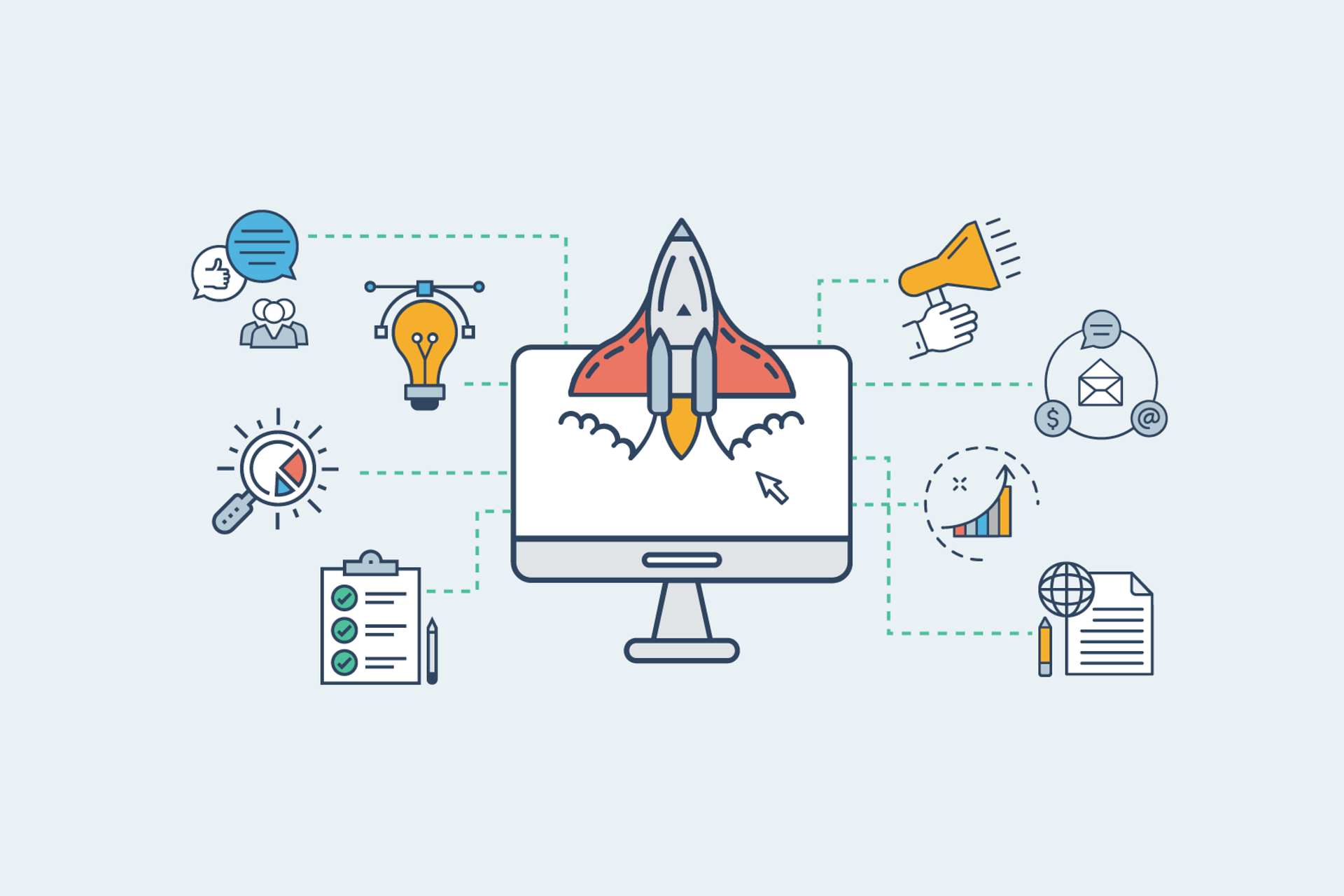
If you've been orbiting the digital marketing world for long, you'll know all about Google's plans to abandon the third-party cookie by 2022. The rules for cookies have already started to change thanks to the California Consumer Privacy Act (CCPA). Visit any website, and you'll get a "do you accept this cookie" pop-up. The fight for privacy and owning your data on the internet is just beginning. But what does it mean for marketers?
First, this only affects third-party cookies. Websites that track abandoned shopping carts or where you have chosen to log in will still be active and working. ( x) Those effective ads that follow you around to remind you to come back and buy? They are here to stay!
Second, even though we're losing access to visitors’ individual data, Google already has a plan in place to target ads effectively. Google created the Federated Learning of Cohorts (FLoC)for this very purpose. The goal of the FLoC is to "provide an effective replacement signal for third-party cookies." ( x) Any Google device or product you use will still file away your internet habits for advertising purposes; it will just be less precise. The idea is to shift people from individuals into broader categories. Those categories are what marketers will be targeting moving forward. If you're looking up how to replace a car battery on YouTube, you'll most likely be shifted into the "repairs vehicles" category and served ads accordingly. If we've learned anything from Facebook's targeting practices, it's that they can get very granular with those categories.
The main takeaway from the loss of the cookie is that marketers everywhere will have to be more strategic about their targeting plans. Utilizing advertising avenues that never relied on cookies is a great place to start. Paid search, emails, and social media are just a few areas of focus that generate clicks and customers while not relying on cookies. Leveraging traditional media alongside digital will also be vital to help grow your audience and brand awareness. As always, you can reach out to our digital marketing team of experts to help you navigate the change.
The cookie might be dead, but personalized digital marketing is still alive and well.
Although 2020 saw the rise in popularity of Tik Tok, there is another platform that marketers should focus on, especially if they are looking to hit a younger demographic. Snapchat remains one of the most popular social media apps for people under the age of 25. Snapchat was the originator of Stories, before Facebook and Instagram picked them up, and pioneered the idea of temporary interactions in the social media world. Before Snapchat, social media platforms were focused on permanence and timelines, and Snapchat decided it was time to freshen things up.
Snapchat statistics
- About 249 million people use Snapchat every day*
- Snapchat reaches 75% of millennials and Gen Z*
- Snapchat estimates the average daily user accesses the Snapchat camera more than 20 times per day**
Building Snapchat ads
If you’ve ever done any Facebook/Instagram advertising, the options are fairly similar. You first choose your campaign goal: brand awareness, web traffic, video views, lead generation, conversions and more. Next you set your budget. Snapchat offers affordable advertising with a $5 per day minimum budget. After you set your location, you can select your demographic targeting. One perk of Snapchat’s demographic options is that you can select an age range from 13-50+.
Also similar to Facebook, Snapchat has a large variety of audience targeting to choose from. But unlike Facebook, Snapchat is very transparent where the data is coming from. Data sources include Comscore, Placed, Experian, Datalogix and more, and are listed right next to the audience selection. Snapchat’s audience include various lifestyles, specific film/tv interests, specific food/beverage consumers, sports preferences, shopping habits, TV network and daypart viewers, and so much more! The opportunities for targeting are endless, and any brand can easily find audiences that fit their target market.
Ad Formats
Snapchat offers many ad formats, but the content that works best on Snapchat is video-driven storytelling. You can easily upload images that will be converted into a video if you do not have a video to use. You can also create filters to represent your brand in a fun way. Finally, a somewhat new offering are collection ads, which allow advertisers to showcase multiple products with thumbnail-sized images at the bottom of the ad.
If your company isn’t utilizing Snapchat, it may be time to give it a try. If you are looking for help creating and managing Snapchat or any other social campaigns, our in-house team of experts is happy to help.
* https://forbusiness.snapchat.com/
** https://www.oberlo.com/blog/snapchat-statistics